

854 votes
Current price 64.90
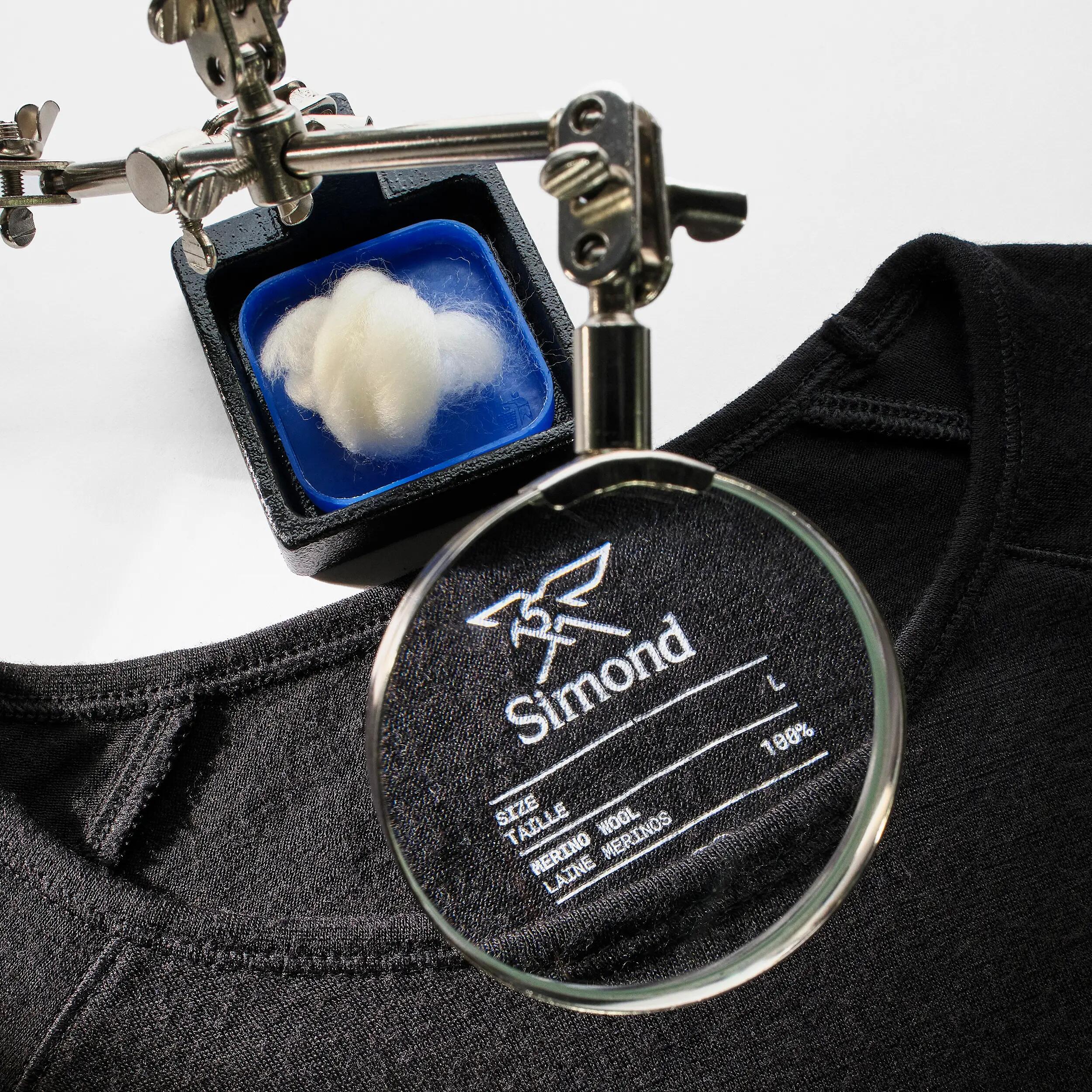
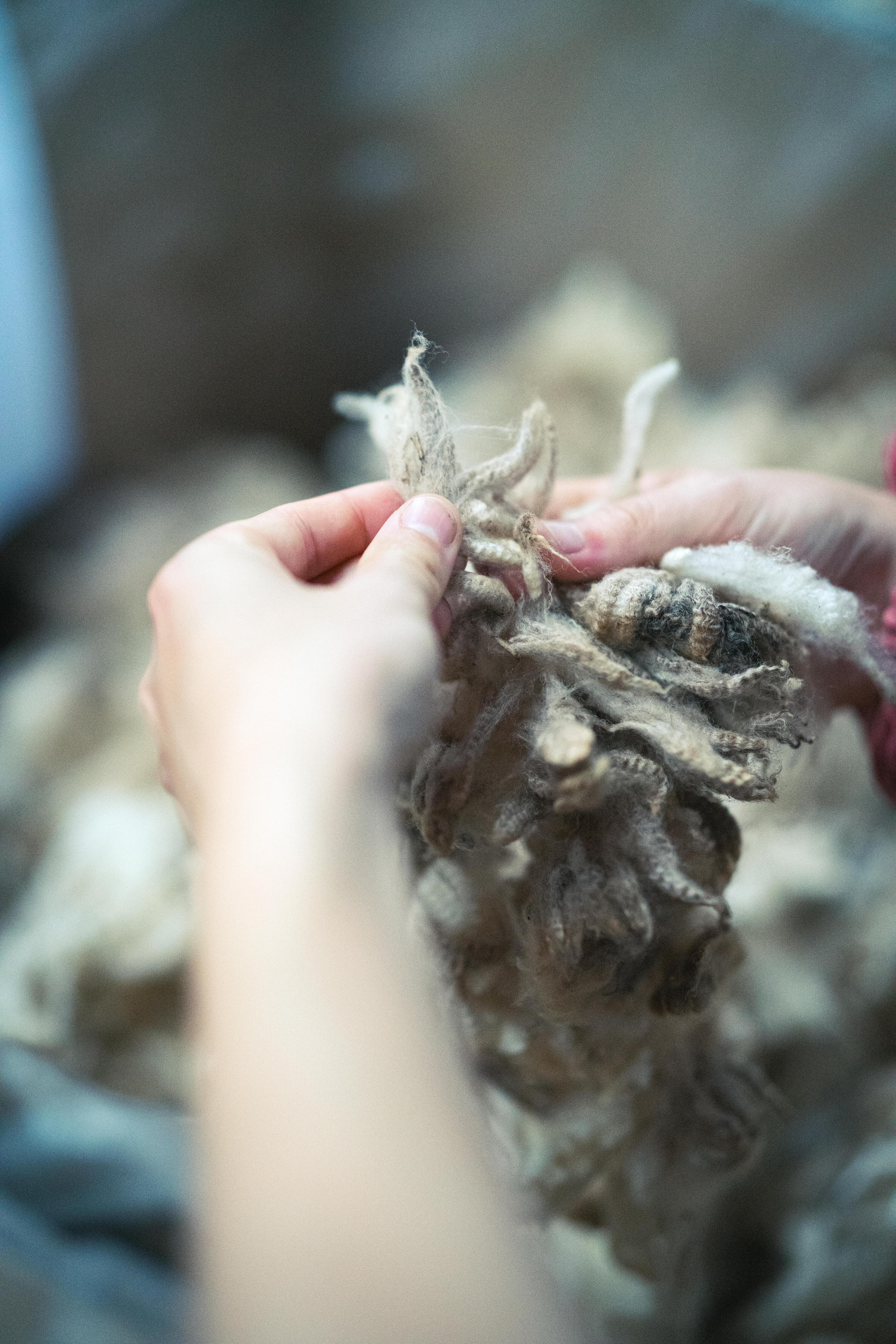
Merino wool is a natural fiber with a unique ability: it regulates your temperature, manages moisture, and limits odor build-up during exertion. A high-performance fiber sourced exclusively from farms that exclude the practice of mulesing.
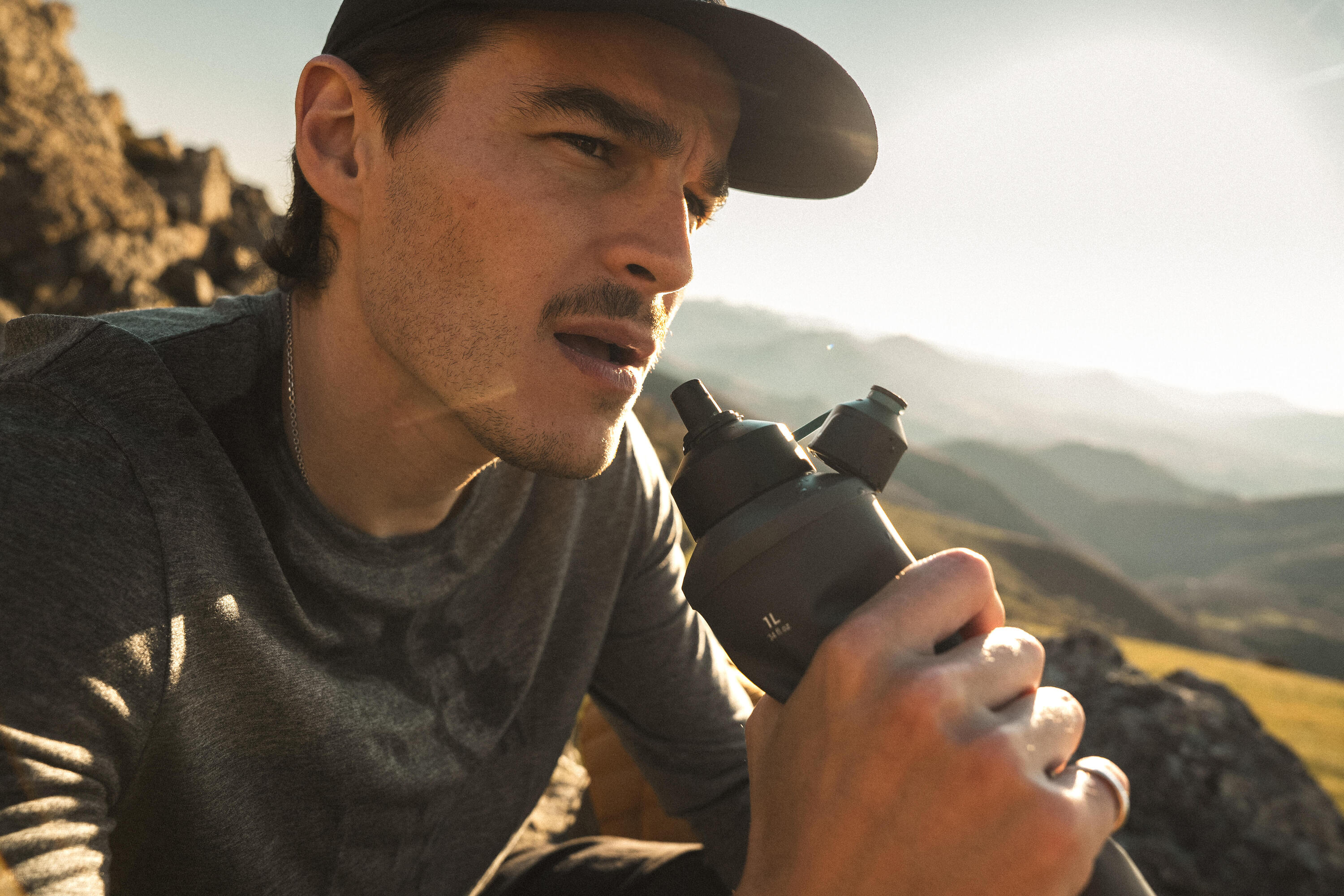
Thanks to its high absorption capacity, the material limits perspiration odors. Merino wool does not just absorb the water contained in sweat, but also perspiration odors.
Merino wool has unique properties in terms of moisture management and thermal regulation. This characteristic is well suited to environments that are not overly humid and to activities with low to moderate sweat production.
Merino sheep have been selectively bred for the fineness of their wool. This fineness, combined with low fiber crimp, ensures softness and flexibility that minimize itching. Our wool has a micron count of 17.5 to 19.5 microns, qualifying as fine or ultrafine wool.
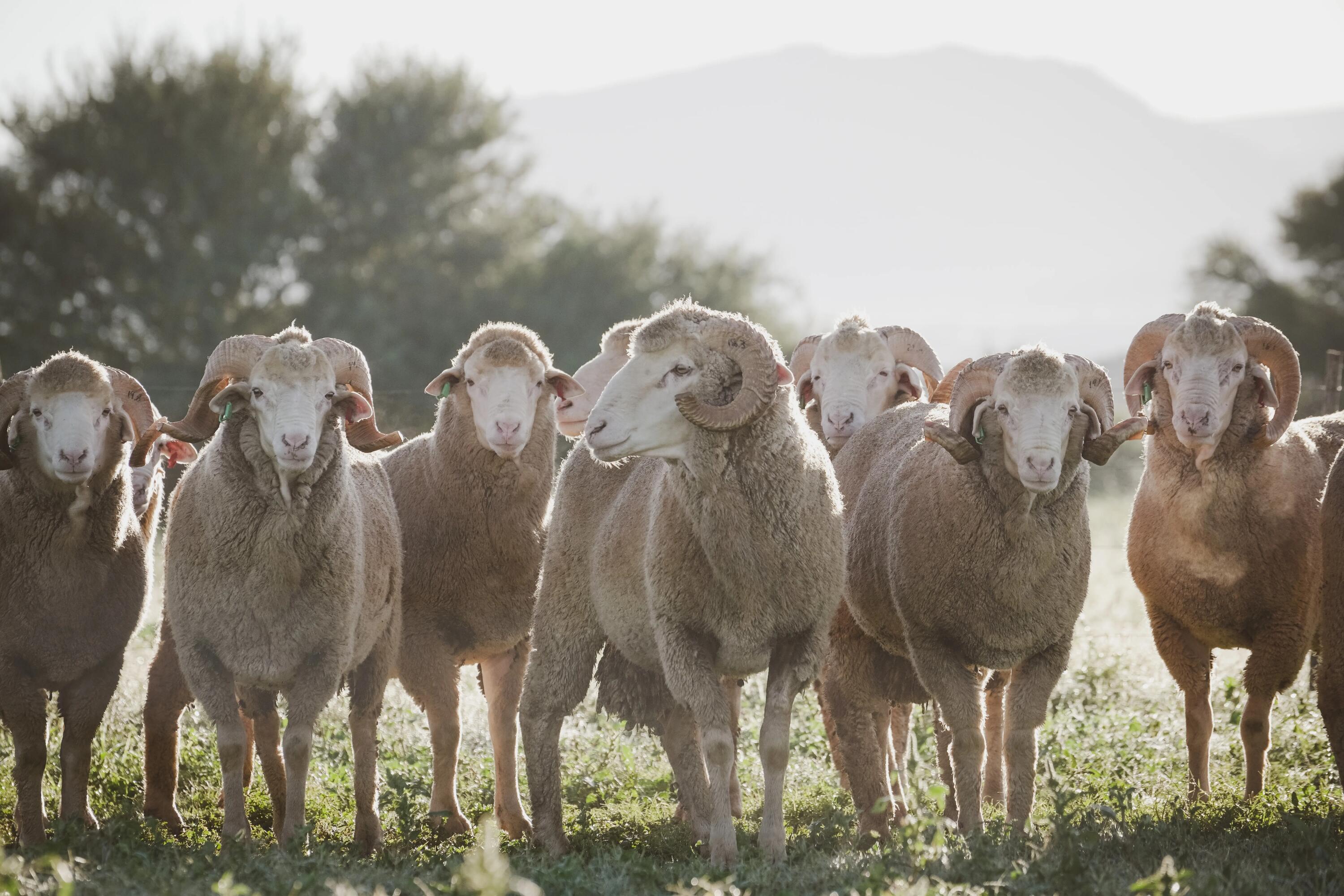
Mulesing is a technique that involves mutilating the skin around a sheep’s perianal area to avoid having to provide care. Indeed, this area is prone to numerous infections, and mulesing is cited as the most effective alternative to fight contamination. However, this practice is contrary to animal welfare. We therefore work exclusively with farms that do not practice this technique.e. We produce our merino wool textiles in South Africa, as well as in Uruguay. This bacterium is not present in either country, and the sheep do not undergo mulesing. Partner farms are committed to animal welfare. The animals have outdoor access, access to comfortable shelters and buildings, regular healthcare, etc.
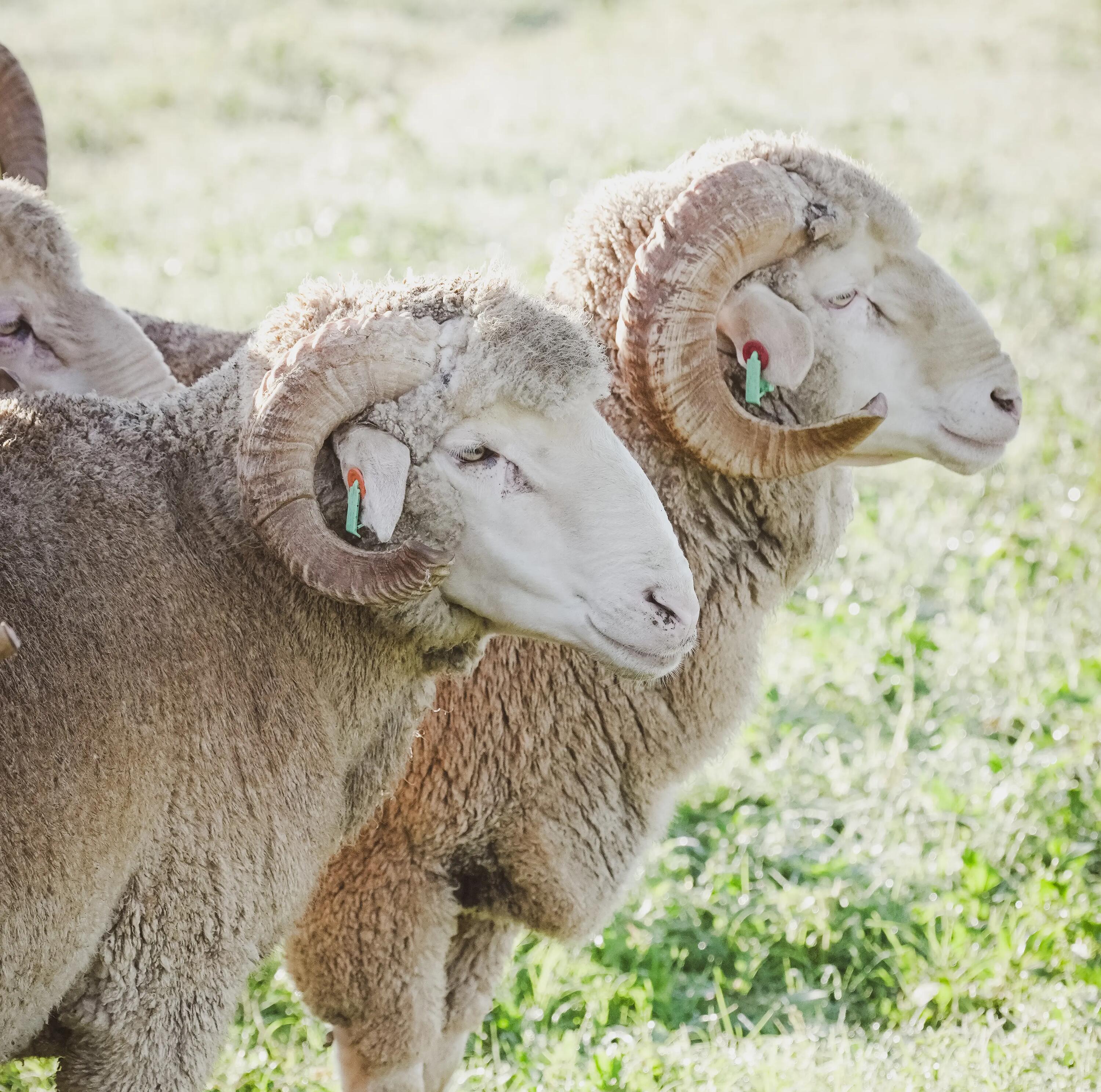
Our merino wool is Abelusi-certified, which entails: • Woolgrowers who are mindful of people, environment and animal welfare • Audits on farms covering social, environmental, and animal welfare aspects. • Full traceability from farm to wool tops • Continuous improvement of their farming practices to meet the latest social, environmental, and animal welfare requirements.

Made from spinning and fabric scraps, recycled merino wool reduces the finished product’s impact by 60%. It is GRS (Global Recycle Standard) certified by our partner. Currently, 8 products in our range feature recycled wool.
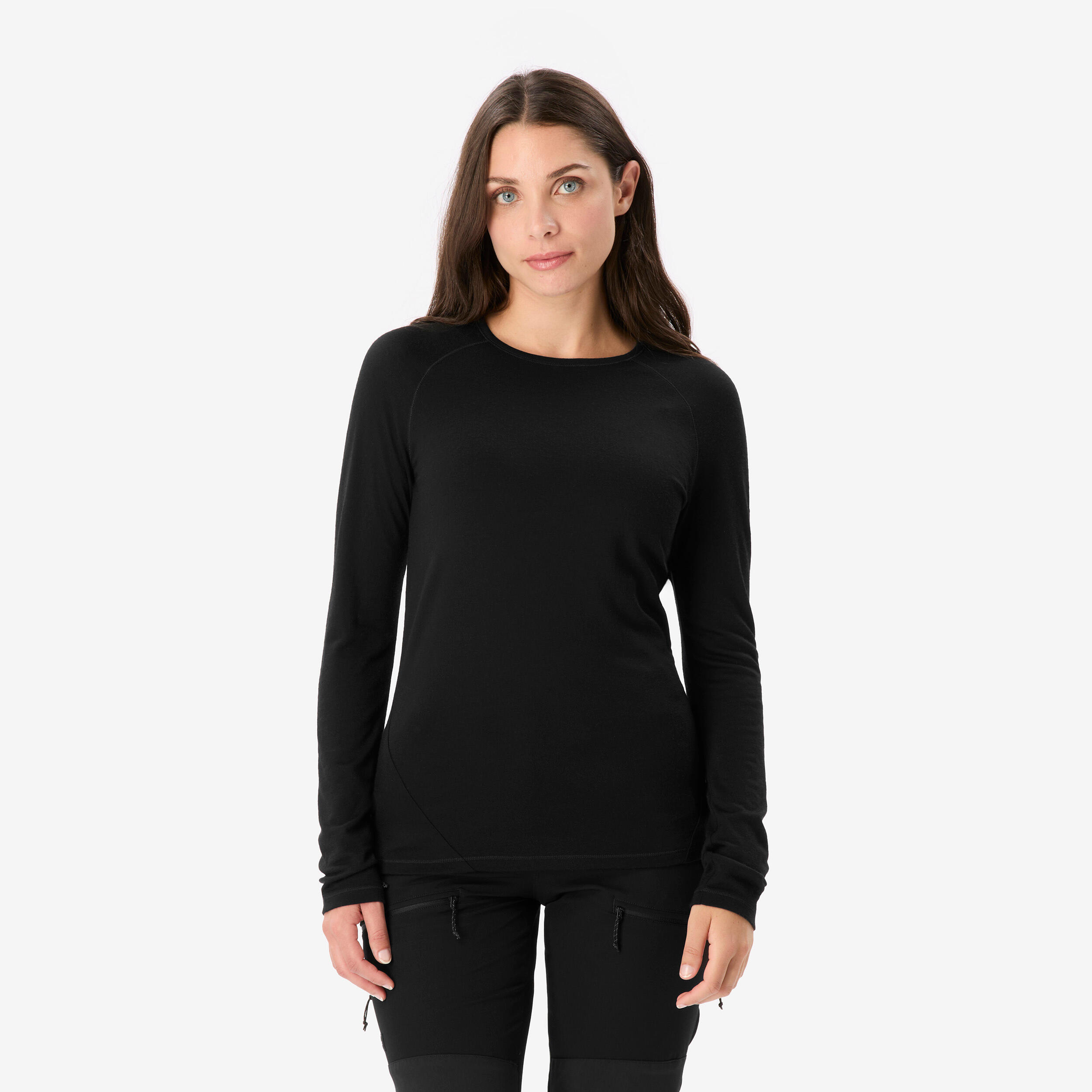
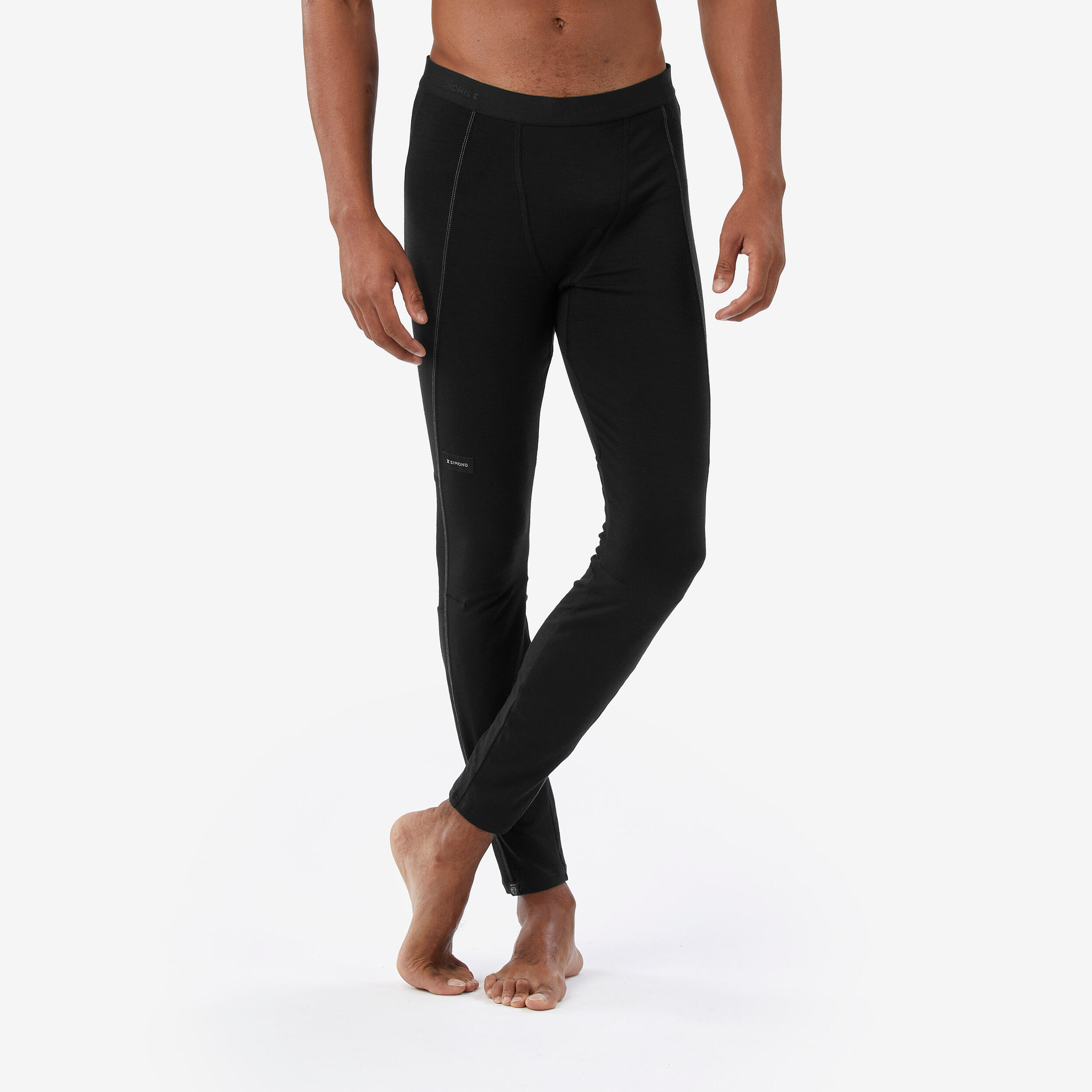
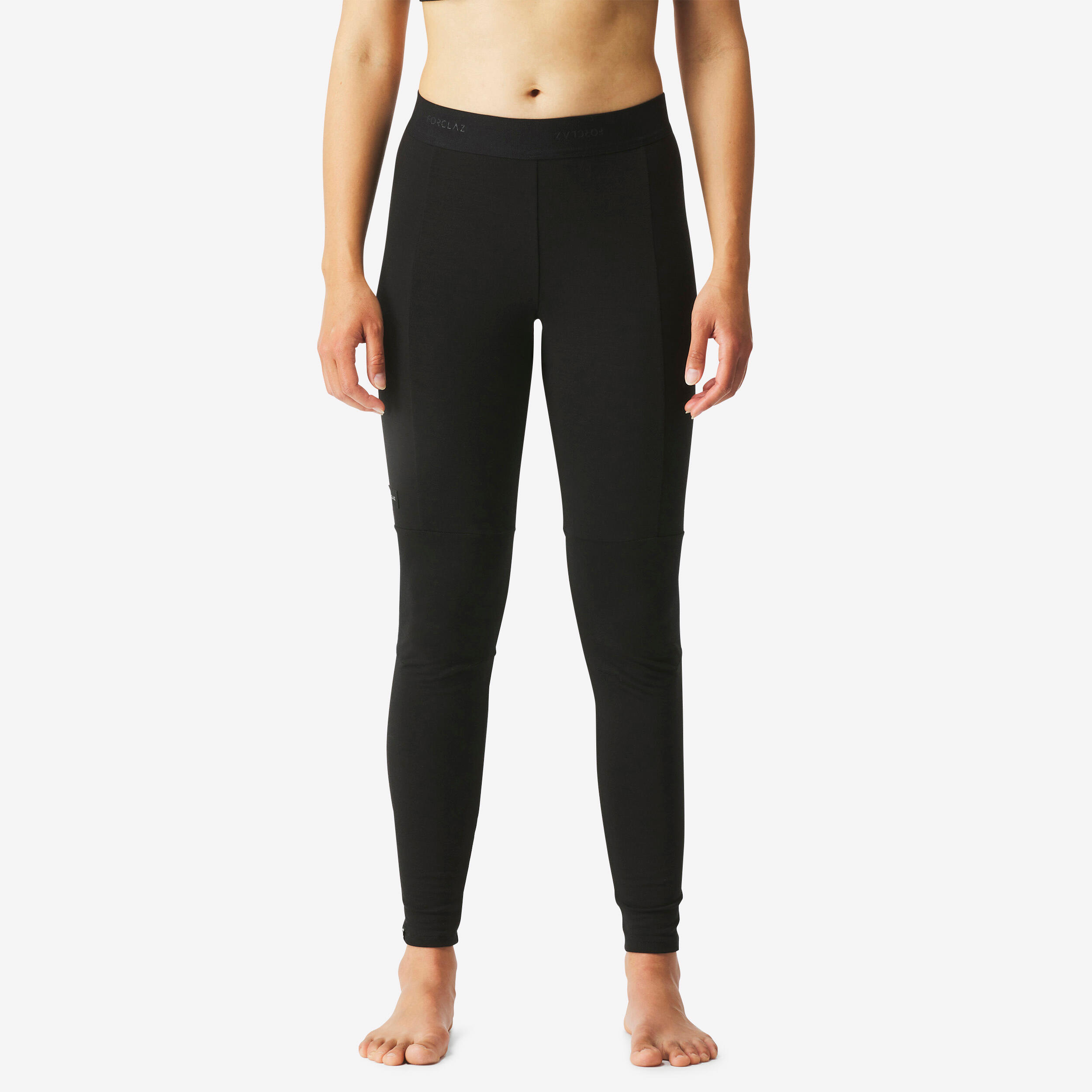
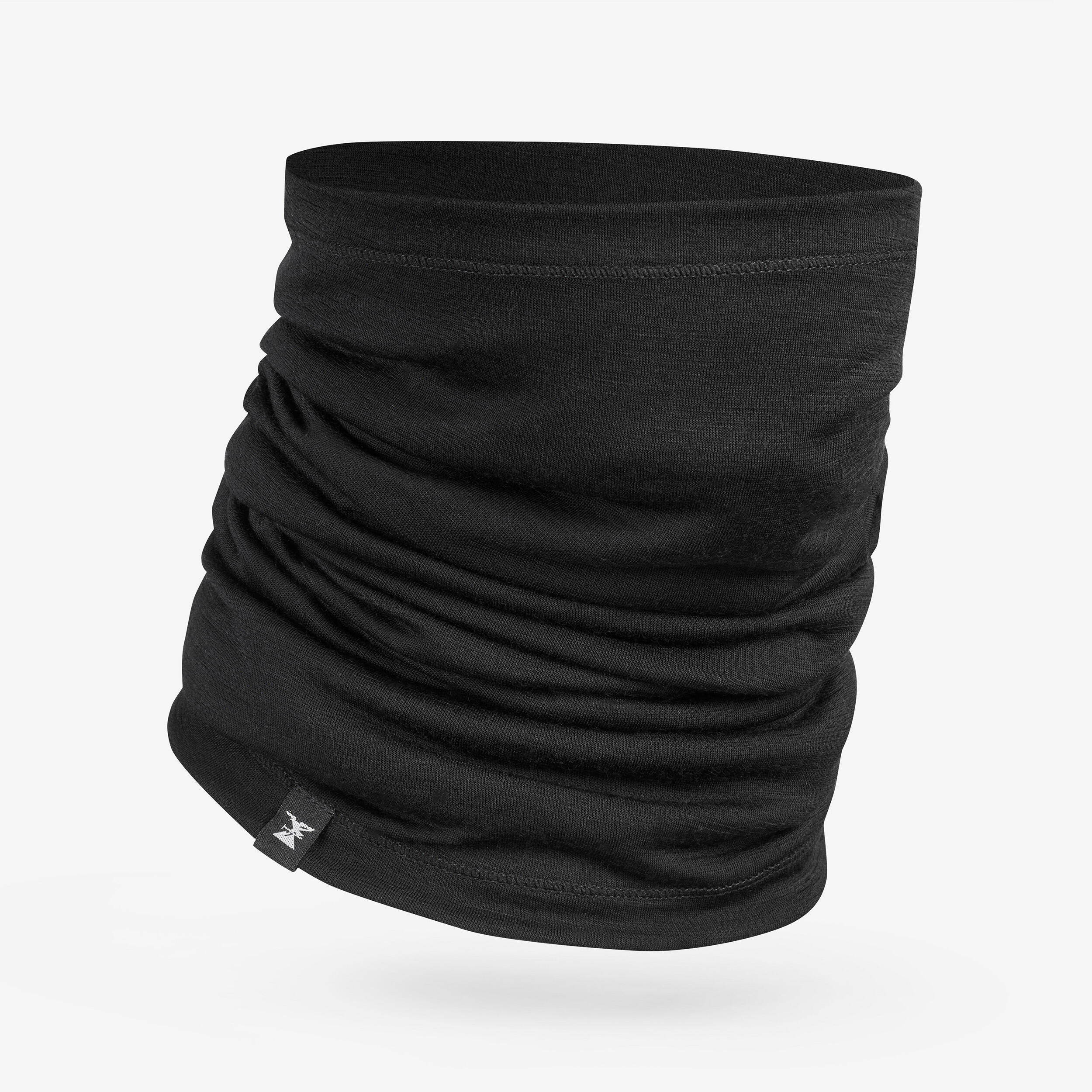
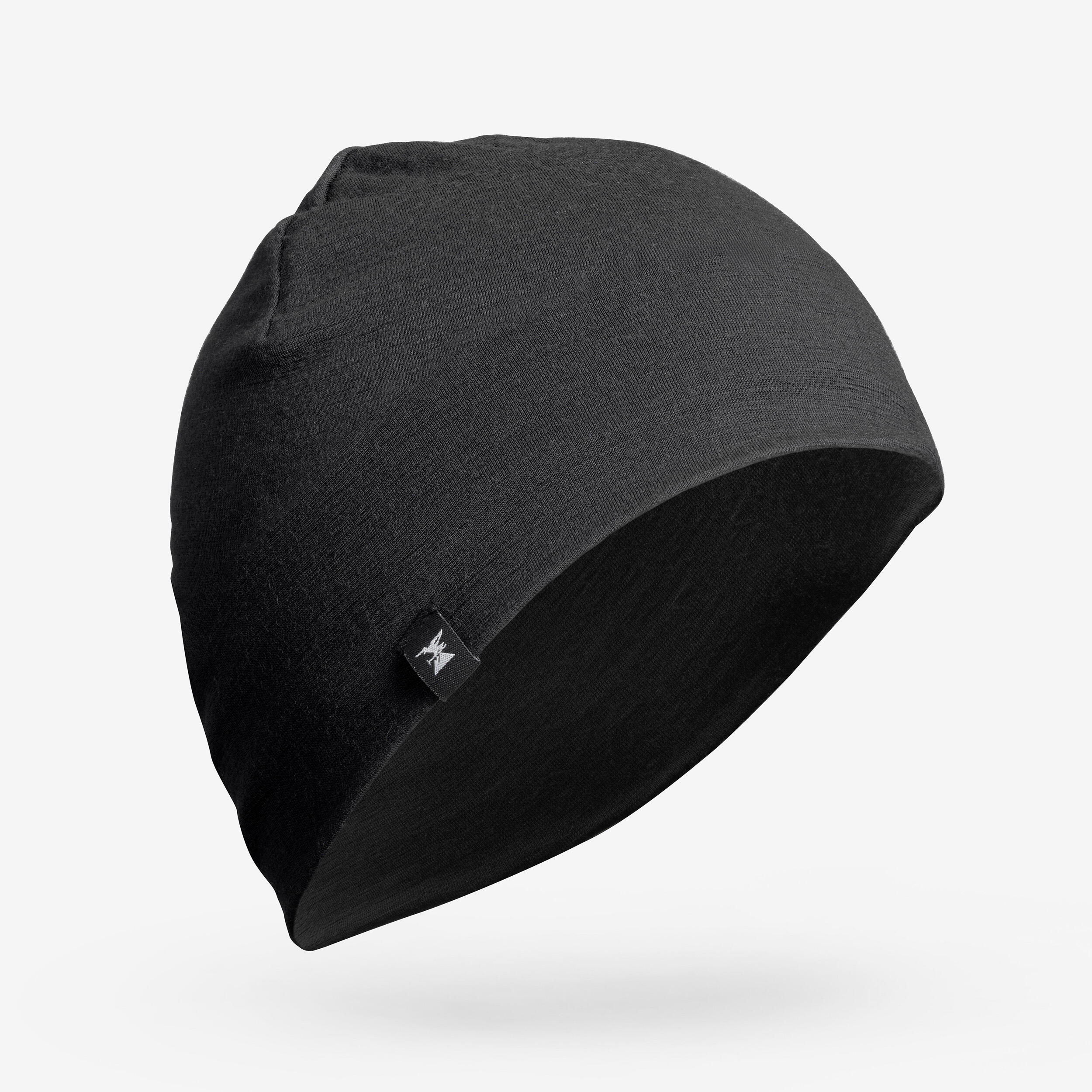

To preserve the softness and technical properties of your merino clothing, machine wash them on a wool or delicate cycle at 30°C or below. Opt for a special merino (or wool) detergent, without fabric softener, as this clogs the breathable fibre. Finally, avoid the tumble dryer: hang your merino clothing out to air dry, away from direct heat sources, to prevent any shrinking or misshaping of the knit. For optimal care, we recommend this detergent specially formulated for merino wool.